A Guide To Smart Efficient Air Con Cooling and Heating
On the South Coast and Southern Highlands, air conditioning isn’t just a luxury, it’s a necessity. As energy prices climb and environmental concerns grow, choosing an efficient air conditioner and using it wisely is more important than ever. If you’re considering an upgrade, a new installation, or just want to get the most out of your current system, this guide from Innovate Energy will walk you through everything you need to know.
Understanding Air Conditioning Efficiency
When we talk about air conditioning efficiency, we mean how much cooling or heating your air conditioning unit delivers relative to the amount of electricity it consumes. Efficient systems keep your home comfortable without draining your wallet or the grid.
Some of the key metrics for this include:
- SEER (Seasonal Energy Efficiency Ratio) which relates to the measures of efficiency over a typical season. The higher the SEER, the better
- EER (Energy Efficiency Ratio): This indicates efficiency at peak cooling or heating times.
- ENERGY STAR ratings: Highlight models that save energy and reduce emissions.
What affects these numbers? Here, the age of the air conditioning unit and technology play both major roles.
“Modern systems are leaps ahead in efficiency compared to those from even a decade ago,” according to Jack from Innovate Energy. “Regular maintenance and proper installation are just as crucial—neglected or poorly installed systems can lose a significant chunk of their efficiency.”
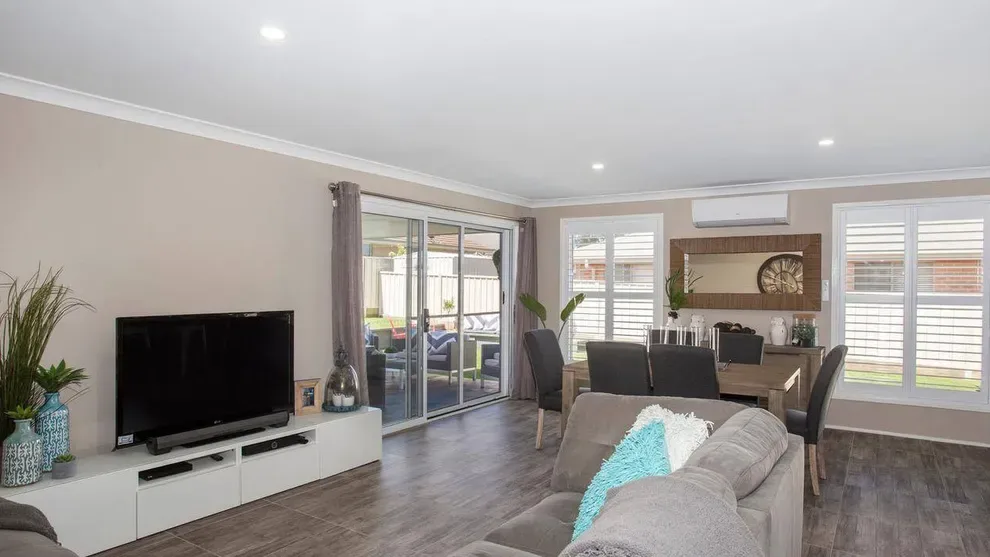
What Types of Air Conditioning Systems are Available?
There are several options available to suit different needs:
- Split-system: Simple and affordable and best for single rooms, however they can be noisy and are limited in terms of air flow. The compressor is normally situated at the window.
- Ducted Systems: These are the most common and efficient home solution where you can control each zone, across multiple floors and larger spaces, providing an optimal temperature across several zones in the home. They do require cavity space for the installation of ducts
- Ductless Mini-Splits: Ideal for efficient heating and cooling in different rooms in the home where there is limited cavity space for ducting and do not require the compressor to be close to the unit inside the home
- Cassette Aircon: Designed for a more aesthetic look in homes with limited or no ceiling space available for ducted systems.
- Portable Air Con Units: Convenient for renters or temporary solutions, though generally less efficient in the long run.
“Ductless mini splits are particularly popular where not all homes have existing ductwork, and they're much more efficient than old window units,” says Matt from Innovate Energy.
What To Consider when Selecting an Air Conditioner?
Choosing the right system isn’t just about price. These are some of the factors when we’re talking to our customers:
- Size and capacity: Too small or too large, and your system will struggle or waste energy so think about getting the right system for the job
- Room and home size/layout: Open-plan homes require different cooling solutions than those with smaller, closed rooms so depending on your home, look for the right system
- Local climate: Warmer or cooler regions may demand systems with higher capacity i.e. there is always a variation in temperature between coast and countryside
- Energy efficiency ratings: Look for high SEER/EER and ENERGY STAR labels before purchase
- Noise levels: You don’t want to be annoyed by noisy units, especially important for bedrooms and home offices so listen to the unit before purchase
- Extra features: Smart controls, air purification, and programmable thermostats all add value and comfort
- Budget and total cost of ownership: Remember to factor in running and maintenance costs, not just the upfront price of the installation (also look at how to run the system at an optimal level)
“Getting the sizing right is one of the biggest factors for both comfort and efficiency. An oversized system will cycle on and off too much, while an undersized system will run constantly,” says Mat from Innovate Energy.
Tips for Maximising Aircon Efficiency
To keep bills low and comfort high, consider some of these efficiency factors:
- Proper installation: Even the best unit will lose efficiency if installed incorrectly so get a professional team to install it and test it thoroughly
- Regular maintenance: Clean filters, check refrigerant, and ensure your system is running smoothly every twelve months
- Thermostat settings and smart controls: Use programmable thermostats or smart AC controllers to avoid cooling empty rooms and wasting energy
- Enhance Insulation: Sealing leaks and adding insulation keeps cool air inside, reducing workload
- Fans and natural ventilation: Use ceiling fans or cross-breezes to supplement your cooling.
“Regular servicing can improve efficiency by 10–15% and catch issues before they result in bigger, costlier problems,” says Jack from Innovate Energy.
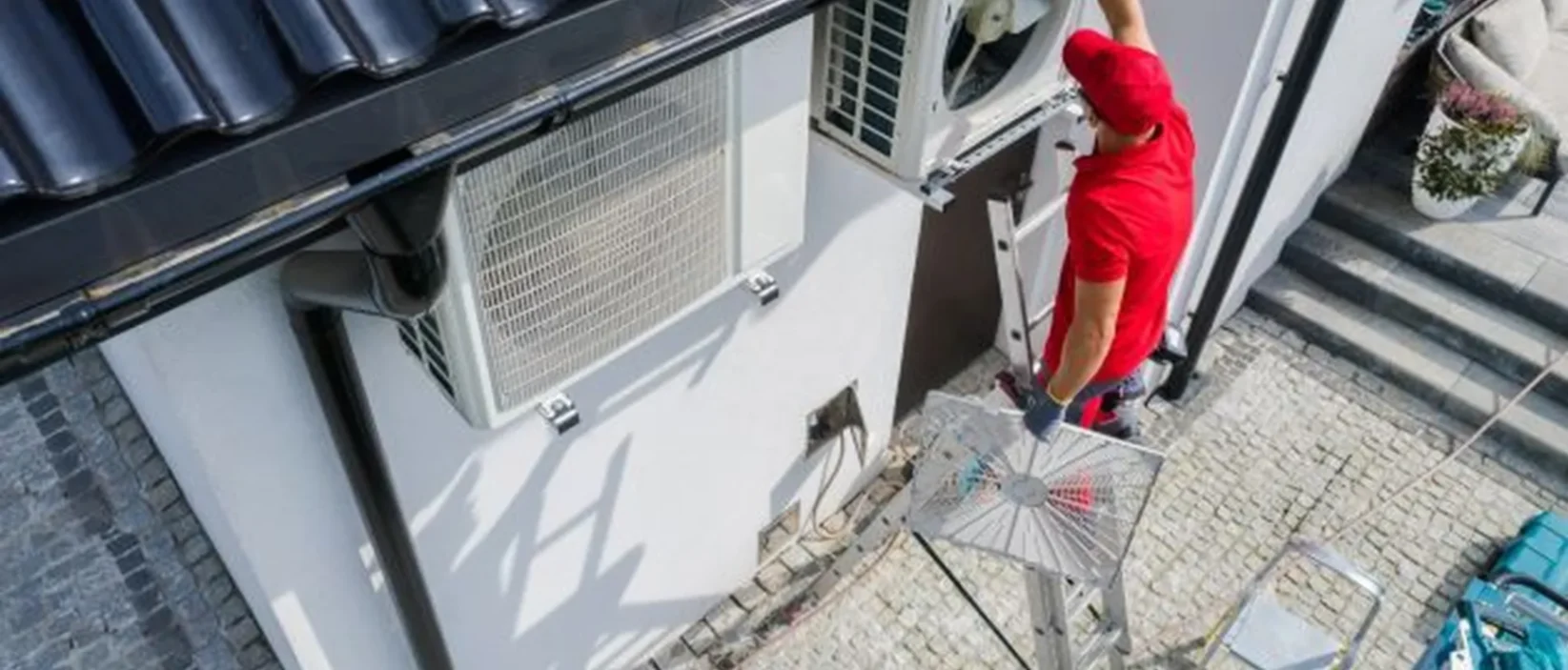
The Environmental Impact of Air Conditioning
Air Conditioners contribute to greenhouse gas emissions through both electricity use and refrigerant leakage. Even though the industry has changed significantly over the years, it’s always good to ensure you’re installing the most energy efficient system that’s available.
- Energy-efficient models cut power bills and emissions
- Inverter and variable-speed compressors run smoother and use less energy
- Eco-friendly refrigerants are now available in many modern systems.
“Choosing an efficient model and ensuring it’s installed correctly makes a real difference—not just to your wallet, but to the planet,” says Mat from Innovate Energy.
Selecting and running the right air conditioner can mean real savings, greater comfort, and a lighter environmental footprint. Don’t leave your heating or cooling comfort to chance, talk to a local expert who understands our regional climate and your specific needs.
Ready to upgrade or service your air conditioning?
Contact Innovate Energy today on 1300 512 325 for professional advice, expert installation, and ongoing maintenance. We’re here to help homes and businesses across the South Coast, from Nowra to Wollongong, Ulladulla, Jervis Bay the Southern Highlands.